
This website contains sensitive content. For your safety, you can leave instantly using the Quick Exit button.

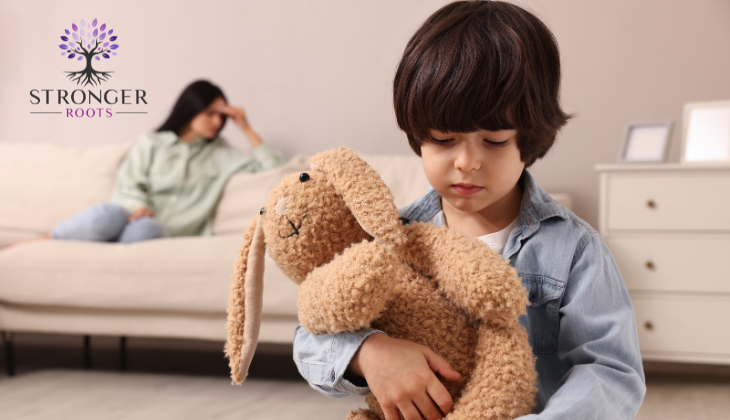
Children should be free to learn, play, grow, and depend on the adults around them for security. But in families experiencing chronic conflict, high conflict separation, or unhealthy relationship dynamics, those roles can quietly begin to reverse.
Instead of feeling protected by adults, a child may begin to feel responsible for protecting everyone else.
They may become the peacekeeper, the messenger, the emotional caretaker, or simply the child who tries very hard to never cause another problem. Recognizing these behaviors is important because what looks like maturity on the outside may actually be a child trying to create safety in an unpredictable environment.
Some children respond to family conflict by becoming extremely well behaved, independent, or helpful. Adults may praise them for being mature for their age without realizing what could be driving that behavior.
A child may think, “If I behave perfectly, maybe Mom and Dad will not argue,” or, “I need to stay calm because everyone else is upset.”
Over time, children can begin taking responsibility for emotions and situations that were never theirs to manage.
A child who regularly sees a parent distressed may begin trying to comfort or protect that parent.
Showing compassion is healthy, but children should not feel responsible for an adult’s emotional well-being. When a child becomes the person a parent relies on for reassurance, advice, or emotional support, the child can end up carrying concerns they are not developmentally prepared to handle.
Children need permission to have their own emotions without worrying about how those feelings will affect the adults around them.
Children should never have to act as messengers, negotiators, or referees between parents.
Avoid asking a child to deliver messages, gather information about another household, decide who is right, or take sides in disagreements. Even seemingly harmless questions can make children feel that their answers could upset someone they love.
Instead, keep adult communication between adults whenever it is safe and appropriate to do so.
Children who feel responsible for maintaining peace may become anxious, perfectionistic, withdrawn, or overly concerned with other people’s moods.
They might apologize constantly, avoid expressing their needs, or become uncomfortable when others disagree.
Rather than simply praising a child for being independent, remind them that they are allowed to ask for help. Let them know they do not have to solve adult problems and that their needs matter too.
Simple routines can be incredibly reassuring during periods of family instability. Consistent meals, bedtime routines, school schedules, and family traditions can help children know what to expect.
Most importantly, tell them directly that adult conflict is not their responsibility.
Say it more than once. Children may need repeated reassurance before they truly believe it.
Healing can begin when children realize they no longer have to monitor every mood, prevent every disagreement, or take care of everyone around them.
At Stronger Roots, we believe protecting children means paying attention to the emotional burdens they carry, not only the conflict adults can see. Through education, advocacy, and awareness, we are working toward stronger family systems that recognize the impact of high conflict dynamics, coercive control, and hidden abuse.
🌱 Children deserve safety, stability, and the freedom to simply be children.
Visit https://strongerroots.org/ to explore resources, find support, and learn how you can help advocate for families navigating difficult circumstances.
When we stop asking children to carry adult burdens, we give them the space to build stronger roots of their own.
We make it easy for you to speak up and demand change.