
This website contains sensitive content. For your safety, you can leave instantly using the Quick Exit button.

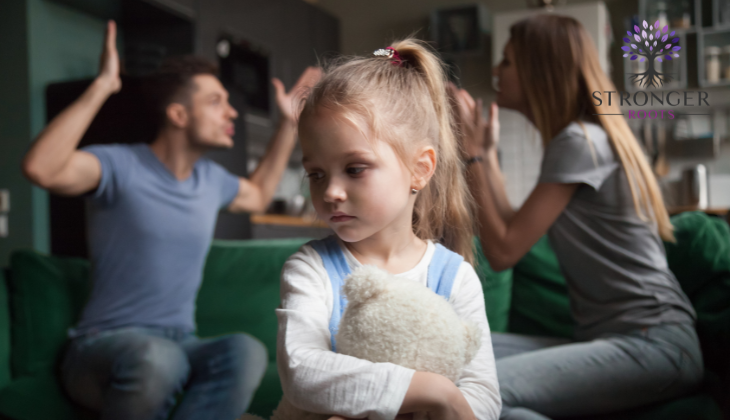
When people think about domestic abuse, they often focus on the adult victim. What is less understood is how deeply coercive control affects children, even when they are not directly abused. Coercive control creates an environment of fear, instability, and emotional manipulation that children absorb, internalize, and carry with them long after the abuse ends.
Coercive control is a pattern of behaviors designed to dominate and isolate. This may include constant monitoring, financial restriction, emotional intimidation, gaslighting, and isolation from friends or family. While these tactics may be directed at one parent, children live inside the atmosphere they create. They learn quickly that safety is fragile and that love is conditional.
Children exposed to coercive control often become hyper vigilant. They may monitor moods, anticipate conflict, or try to keep the peace to avoid emotional explosions. This can look like maturity, compliance, or independence, but it is often a trauma response. These children are not thriving. They are surviving.
Even without direct abuse, children may experience anxiety, sleep disturbances, behavioral changes, or academic struggles. They may internalize distorted beliefs about relationships, power, and responsibility. Some children learn to suppress their needs to protect the targeted parent. Others may align with the controlling parent as a survival strategy, especially when manipulation or fear is involved.
Coercive control can also damage the parent child bond. A controlling parent may undermine the other parent’s authority, limit communication, or manipulate narratives. Over time, children may feel confused, pressured to take sides, or uncertain about their own memories and feelings. This confusion can persist into adulthood, affecting trust and identity.
The impact of coercive control on children is often invisible to systems meant to protect them. Family courts may focus on surface level conflict without recognizing patterns of control and intimidation. Professionals may assume children are resilient simply because they are not physically harmed. This misunderstanding leaves children without the protection and validation they need.
The effects of growing up in a coercively controlling environment do not disappear when the abuse ends. Many adults who were exposed as children report long term challenges with boundaries, self worth, emotional regulation, and relationships. Early exposure to control can shape how a child understands love, safety, and autonomy.
Recognizing the impact of coercive control on children is essential for prevention and healing. Children deserve environments where they feel safe to express themselves, trust their perceptions, and develop healthy attachments. Protecting children means addressing the entire system of abuse, not just isolated behaviors.
At Stronger Roots, we are committed to raising awareness about how coercive control affects families, especially children. We advocate for trauma informed systems, educate communities, and support survivors navigating complex family dynamics. Children deserve more than survival. They deserve safety, stability, and understanding.
If you are concerned about a child exposed to coercive control, or if you want to be part of creating safer systems for families, we invite you to take action. Visit https://strongerroots.org/ to access resources, learn more, and support meaningful change.
Together, we can grow stronger roots that protect children and nurture healing for generations to come. 🌱
We make it easy for you to speak up and demand change.